
The fascinating journey of casinos from ancient gaming to modern entertainment hubs
The Origins of Gaming
The history of gaming dates back thousands of years, with evidence suggesting that the earliest forms of gambling can be traced to ancient civilizations such as Mesopotamia and China. In these societies, games of chance were often played with rudimentary dice made from bone or wood, reflecting the cultural significance of luck and fortune. The appeal of these early games was not merely recreational; they held social and religious importance, often tied to rituals and belief systems. As players look for thrilling experiences, they might find themselves exploring the betty online casino to enjoy modern spins on traditional gaming.
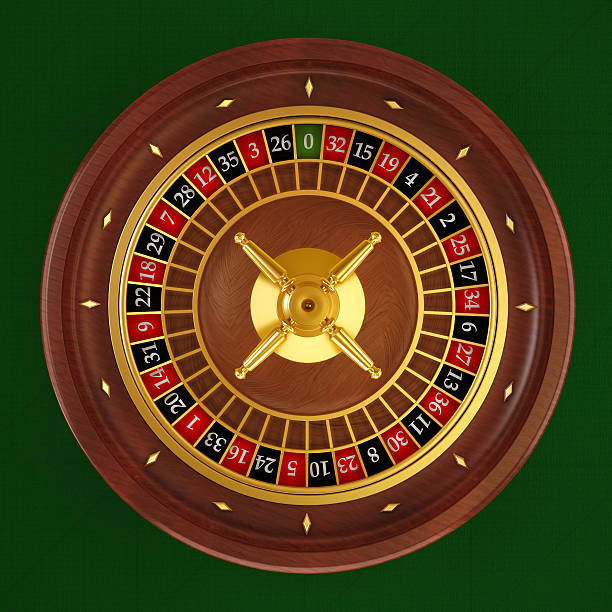
The ancient Greeks and Romans further developed gaming concepts, with citizens participating in betting on various competitions and even gladiatorial events. The Romans were particularly fond of board games and dice games, which were played in their leisure time. These early forms of gambling laid the groundwork for what would evolve into more organized forms of gaming seen in modern casinos. The fascination with luck and chance transcended cultures, indicating a universal human interest in risk-taking and reward.
As these early games spread throughout Europe and Asia, they began to take on new forms. The introduction of playing cards in the 14th century marked a significant shift in the gaming landscape, leading to the establishment of various games that would later find a place in today’s casinos. This evolution from simple games of chance to more structured forms of gambling laid the foundation for the complex gaming culture that we experience today.
The Birth of the Casino
The term ‘casino’ originates from the Italian word ‘casa,’ meaning ‘house.’ Initially, these establishments were small social clubs for the elite, where people gathered to play games of chance. The first recognized casino, the Casinò di Venezia, opened its doors in 1638 in Venice, Italy, specifically designed for gambling. This marked the formalization of gambling as a legitimate form of entertainment, moving it from informal settings to dedicated venues.
As gambling gained popularity, more casinos began to emerge throughout Europe, particularly in France. The first land-based casinos were lavish establishments that catered to the upper class, offering a wide range of games and luxurious amenities. The establishment of the Monte Carlo Casino in the 19th century further solidified the reputation of casinos as opulent entertainment hubs, attracting not just gamblers but also tourists from around the world.
In the United States, the gaming scene evolved differently, with the first American casinos emerging in the early 19th century. Initially, they were found in places like New Orleans, where gambling was integrated into the vibrant culture. The legalization of gambling in Nevada in the 1930s led to the birth of Las Vegas as a prominent gambling destination. This shift not only changed the landscape of gaming in America but also helped shape modern casinos into multifaceted entertainment venues.
The Evolution of Casino Gaming
The late 20th century witnessed a significant transformation in casino gaming, largely driven by advancements in technology and changing societal attitudes toward gambling. The introduction of electronic gaming machines, particularly slot machines, revolutionized the casino experience by attracting a broader audience. These machines offered a user-friendly approach to gambling, allowing individuals to engage in gaming without needing extensive knowledge of complex rules.
In addition, the growth of online casinos in the 1990s represented a pivotal moment in the gambling industry. The convenience of accessing a wide array of games from the comfort of one’s home expanded the reach of casinos beyond traditional brick-and-mortar establishments. This transition brought about new regulations and opportunities, as online gaming platforms sought to provide a safe and secure environment for players.
As casinos adapted to these changes, many began to rebrand themselves as entertainment hubs rather than solely gambling venues. Modern casinos now offer diverse experiences, including fine dining, live entertainment, and luxury accommodations. This shift towards a more holistic approach to entertainment has attracted a wider demographic, ensuring that casinos remain relevant in a rapidly changing entertainment landscape.
The Role of Casinos in Modern Society
Casinos have evolved into significant economic engines for many regions. They generate substantial revenue through gaming, tourism, and employment opportunities, contributing to local economies. Cities that embrace casino culture often experience an influx of tourists, which boosts other sectors such as hospitality and retail. This symbiotic relationship illustrates how casinos can play a vital role in a community’s financial landscape.
Moreover, the social dynamics of casinos have changed. They are no longer exclusive enclaves for the wealthy but have transformed into inclusive spaces where individuals from various backgrounds can enjoy entertainment. Many casinos now host events, concerts, and festivals, fostering a sense of community and connection among attendees. This shift has helped dispel some of the stigmas associated with gambling.
However, with increased access to gambling comes responsibility. The gaming industry has made strides in promoting responsible gambling practices, implementing measures to help individuals who may develop gambling problems. Education and awareness campaigns are essential in ensuring that casinos contribute positively to society while minimizing potential negative impacts.
Exploring the Future of Casinos
The future of casinos is poised for further transformation, driven by ongoing technological advancements. Virtual reality and augmented reality are beginning to play a role in enhancing the gaming experience, creating immersive environments that replicate the thrill of being in a casino without leaving home. This could revolutionize how people engage with gaming and social interaction, making it more accessible than ever.
Additionally, the integration of blockchain technology and cryptocurrencies into casino operations is gaining traction. This innovation promises increased transparency and security in financial transactions, which can bolster consumer trust. As regulatory frameworks evolve, we may see a wider adoption of these technologies, paving the way for a more modern and dynamic gaming landscape.
As casinos continue to adapt to consumer preferences and technological advancements, the essence of their appeal—the thrill of chance and the allure of winning—remains unchanged. Looking forward, casinos will likely continue to innovate while maintaining their foundational roots in social interaction and entertainment. This fascinating journey from ancient gaming to modern entertainment hubs illustrates the enduring human fascination with luck, chance, and the joy of gaming.
Discover More About the Gaming World
For those interested in exploring the intricate world of casinos and gaming, our website serves as a comprehensive resource. We provide in-depth articles, tips, and insights into the gaming industry, enabling readers to stay informed about the latest trends and developments. Whether you’re a seasoned gambler or a curious newcomer, our content is designed to enhance your understanding and enjoyment of the gaming experience.
In addition to articles, we feature expert opinions and interviews with industry leaders, offering unique perspectives on the evolution of gaming. Our community forum allows enthusiasts to share experiences, ask questions, and connect with others who share a passion for gambling and entertainment. Join us as we delve deeper into the captivating journey of casinos and the impact they have on modern society.